



6 Departments
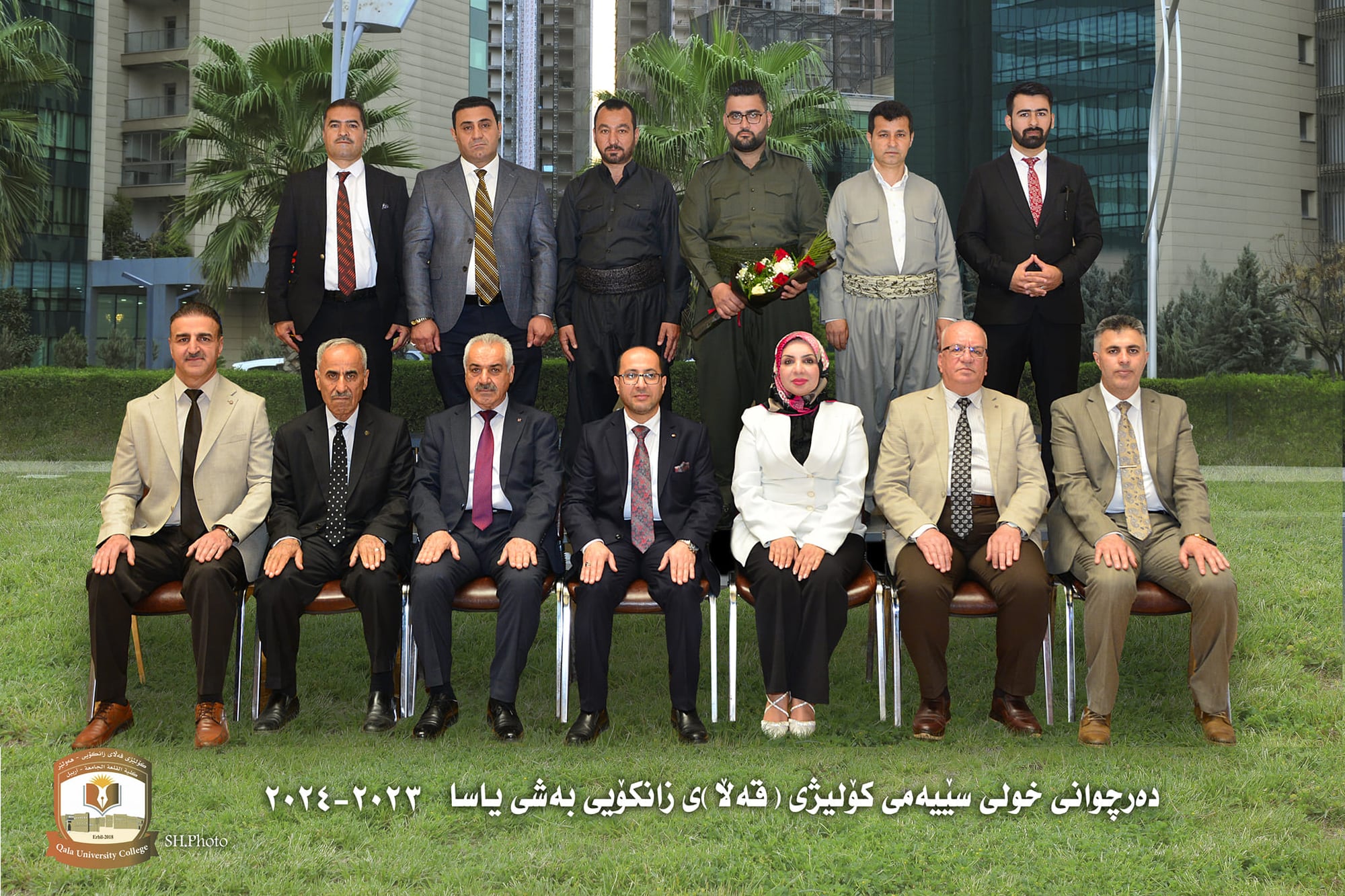
Department of Law
The Department of Law at Qala University College is one of the main departments; it aims to give students the legal knowledge they need and to develop their theoretical and practical skills in law.
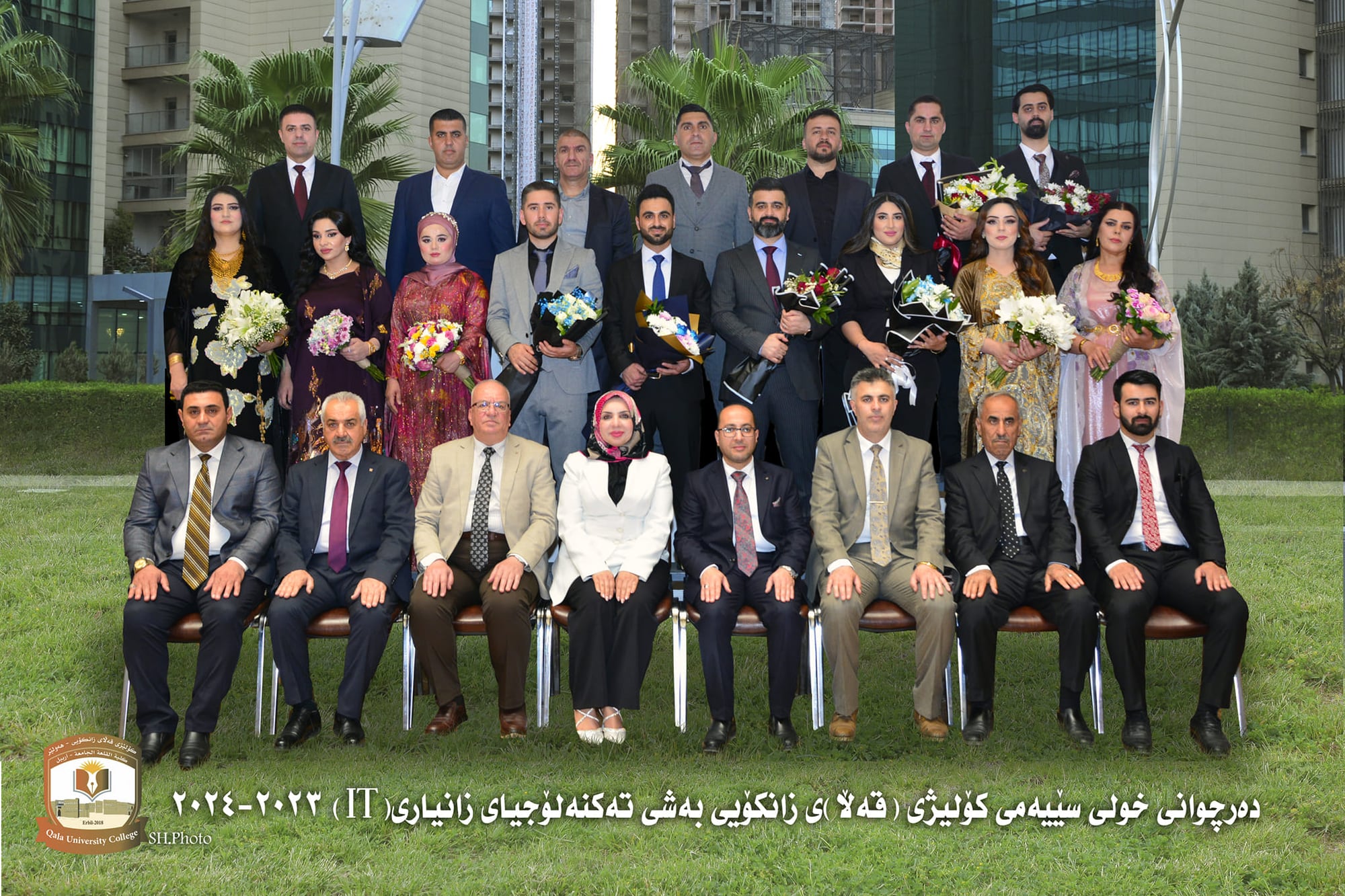
Department of Information Technology
The Information Technology Department at Qala University College aims to prepare a generation of technology specialists who have the knowledge and skills needed to keep pace with the rapid developments in the world of technology and informatics.
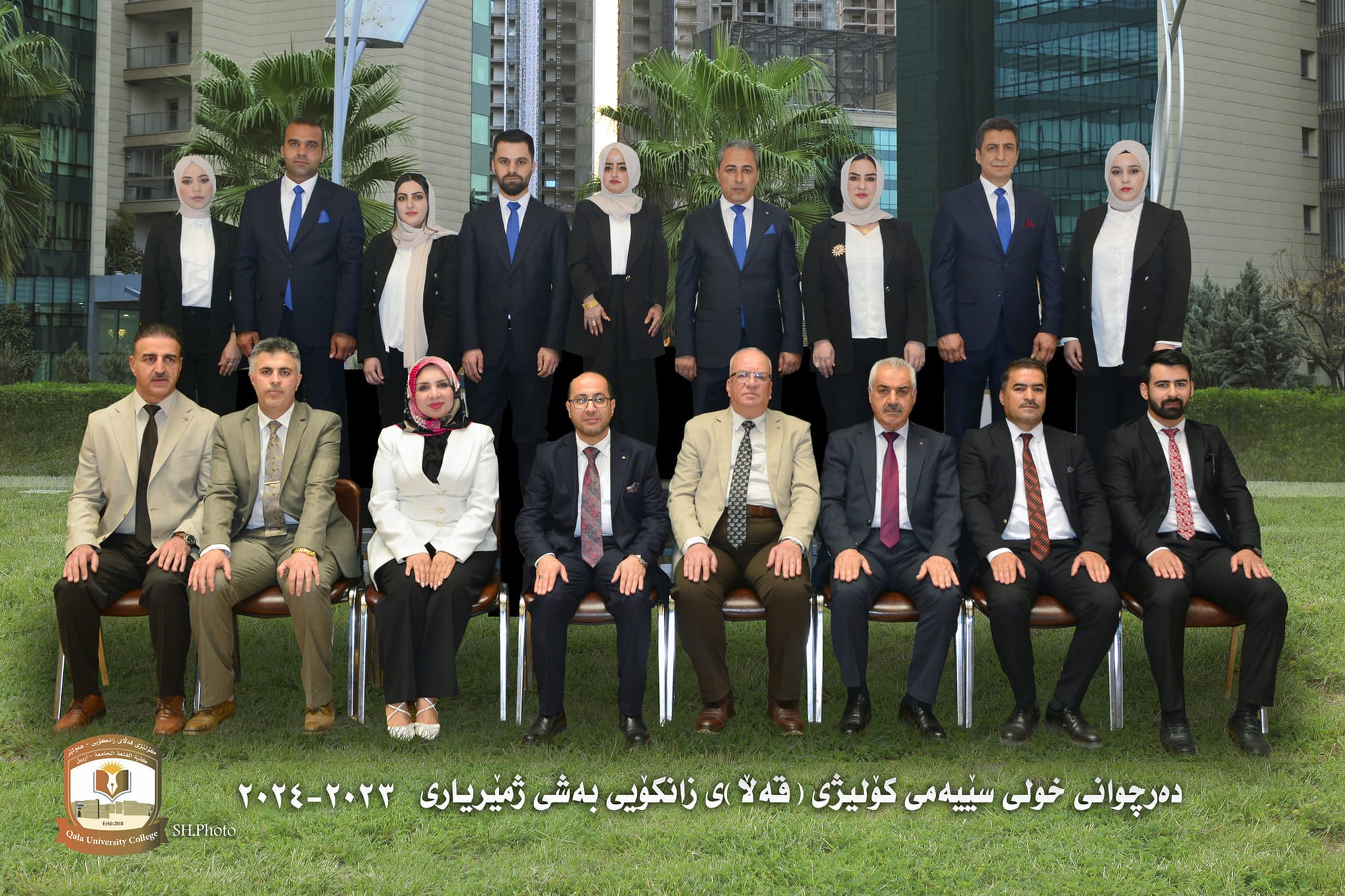
Department of Accounting
The Accounting Department at Qala University College aims to prepare graduates who have specialised knowledge and skills in accounting and finance and who can work effectively in different business environments.
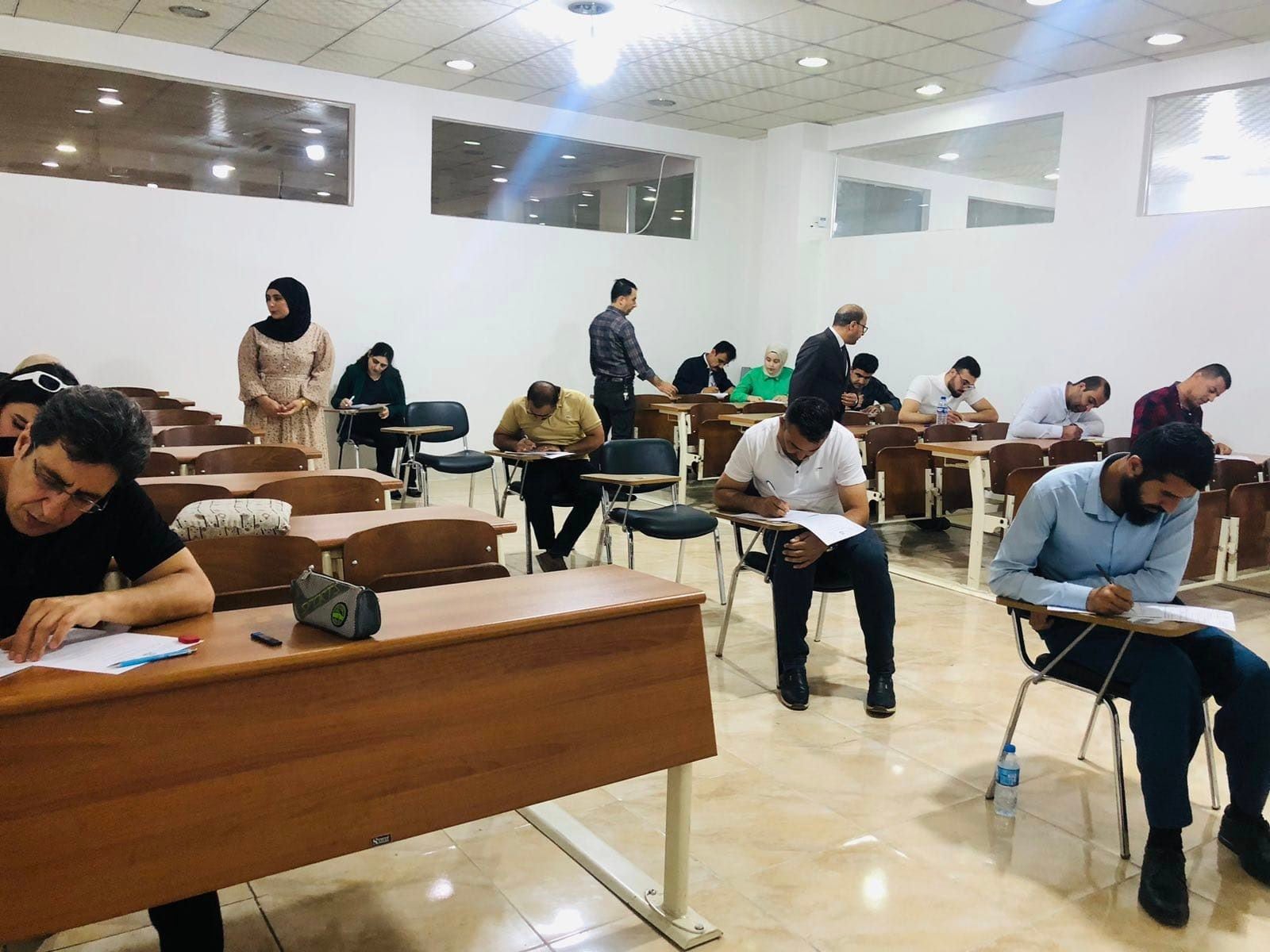
Department of English Language
The English Language Department at Qala University College aims to develop students' skills in English, whether in reading, writing, speaking or listening, through advanced curricula that focus on the academic and applied sides.
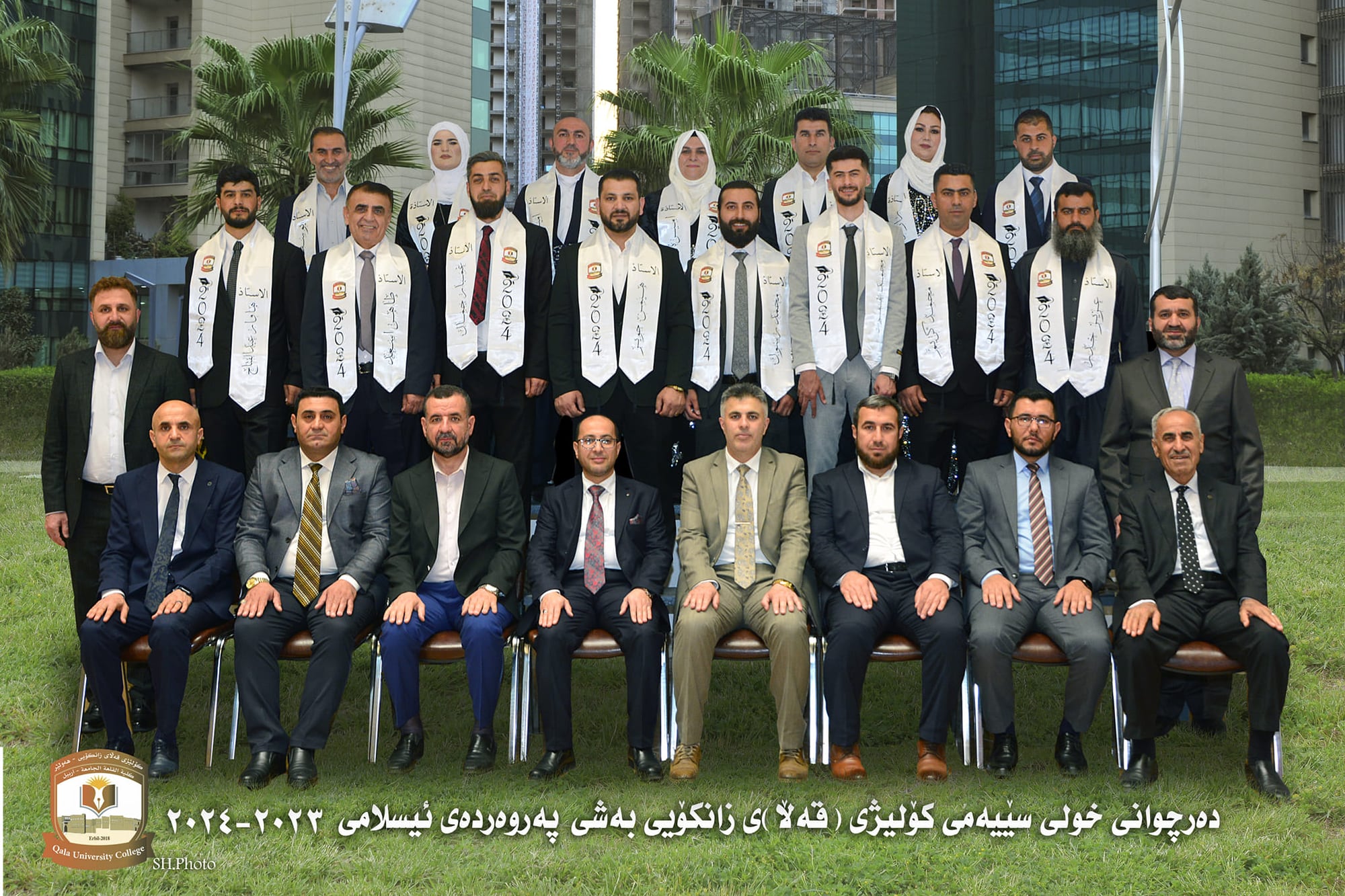
Department of Islamic Education
The Islamic Education Department at Qala University College seeks to prepare teachers and specialists in Islamic studies who have deep knowledge of the Islamic foundations and the Sharia sciences and who are able to pass this knowledge on to future generations using modern educational methods that fit the needs of the age.
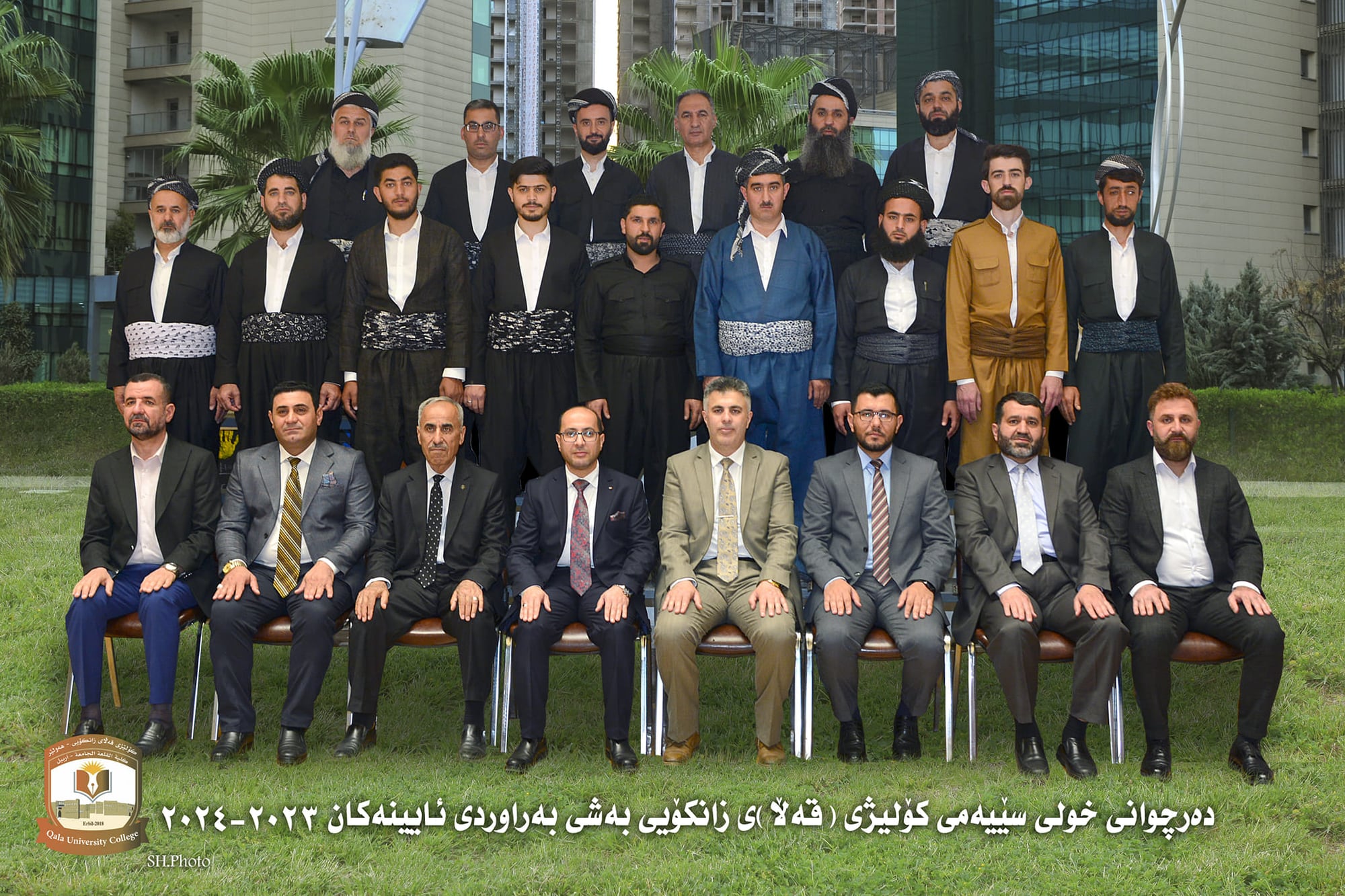
Department of Comparative Religions
The Comparative Religions Department at Qala University College aims to offer a comprehensive and analytical study of the heavenly and non-Abrahamic religions, with a focus on building a bridge of understanding and coexistence between different beliefs and cultures.
Bachelor of Law
The Department of Law at Qala University College is one of the main departments; it aims to give students the legal knowledge they need and to develop their theoretical and practical skills in law.
Bachelor of Information Technology
The Information Technology Department at Qala University College aims to prepare a generation of technology specialists who have the knowledge and skills needed to keep pace with the rapid developments in the world of technology and informatics.
Bachelor of Accounting
The Accounting Department at Qala University College aims to prepare graduates who have specialised knowledge and skills in accounting and finance and who can work effectively in different business environments.
Bachelor of English Language
The English Language Department at Qala University College aims to develop students' skills in English, whether in reading, writing, speaking or listening, through advanced curricula that focus on the academic and applied sides.
Bachelor of Islamic Education
The Islamic Education Department at Qala University College seeks to prepare teachers and specialists in Islamic studies who have deep knowledge of the Islamic foundations and the Sharia sciences and who are able to pass this knowledge on to future generations using modern educational methods that fit the needs of the age.
Bachelor of Comparative Religions
The Comparative Religions Department at Qala University College aims to offer a comprehensive and analytical study of the heavenly and non-Abrahamic religions, with a focus on building a bridge of understanding and coexistence between different beliefs and cultures.
Amanj Ali Othman
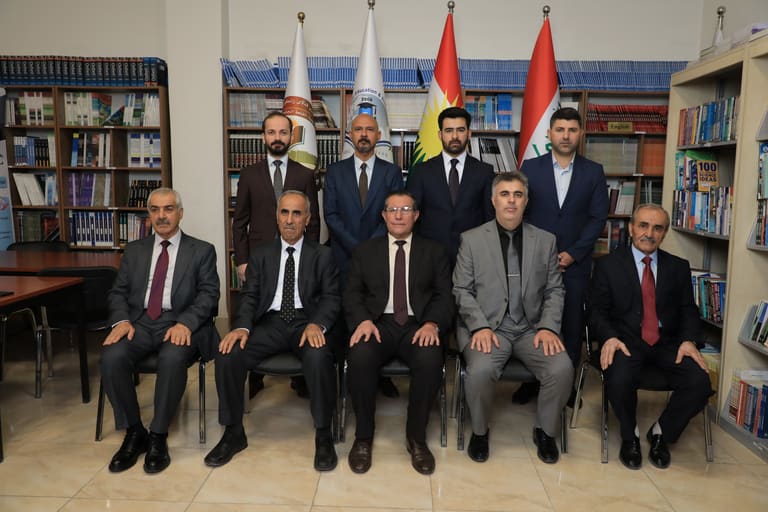
President and Dean of the College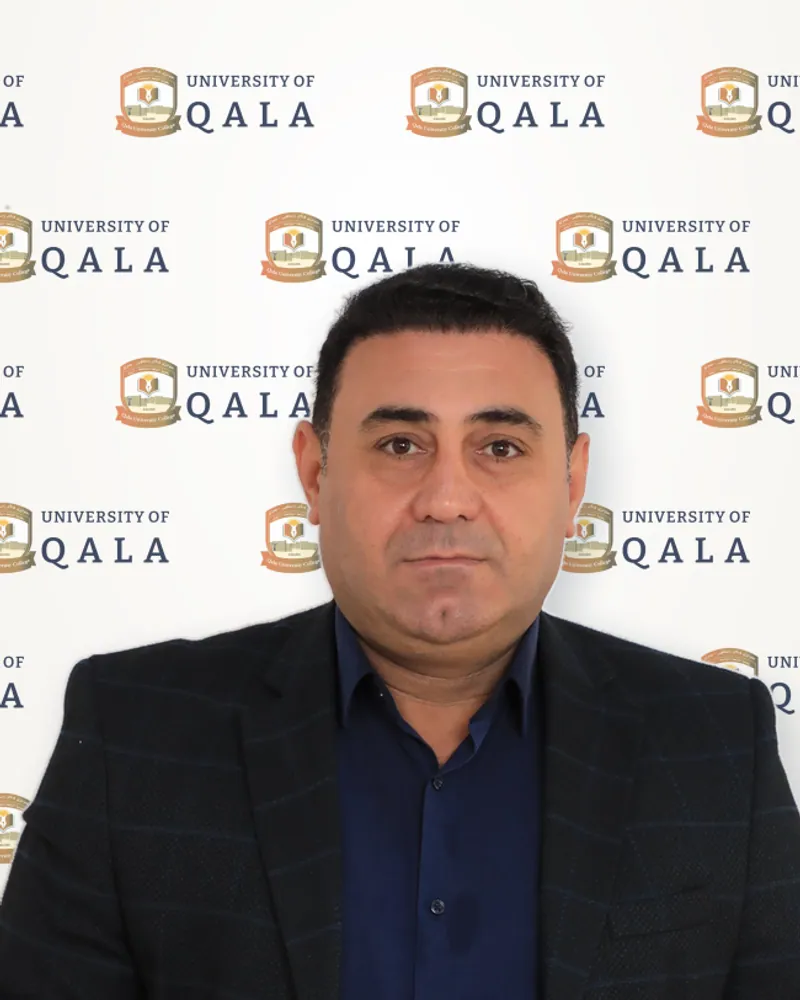
Vice President for Academic Affairs
Vice President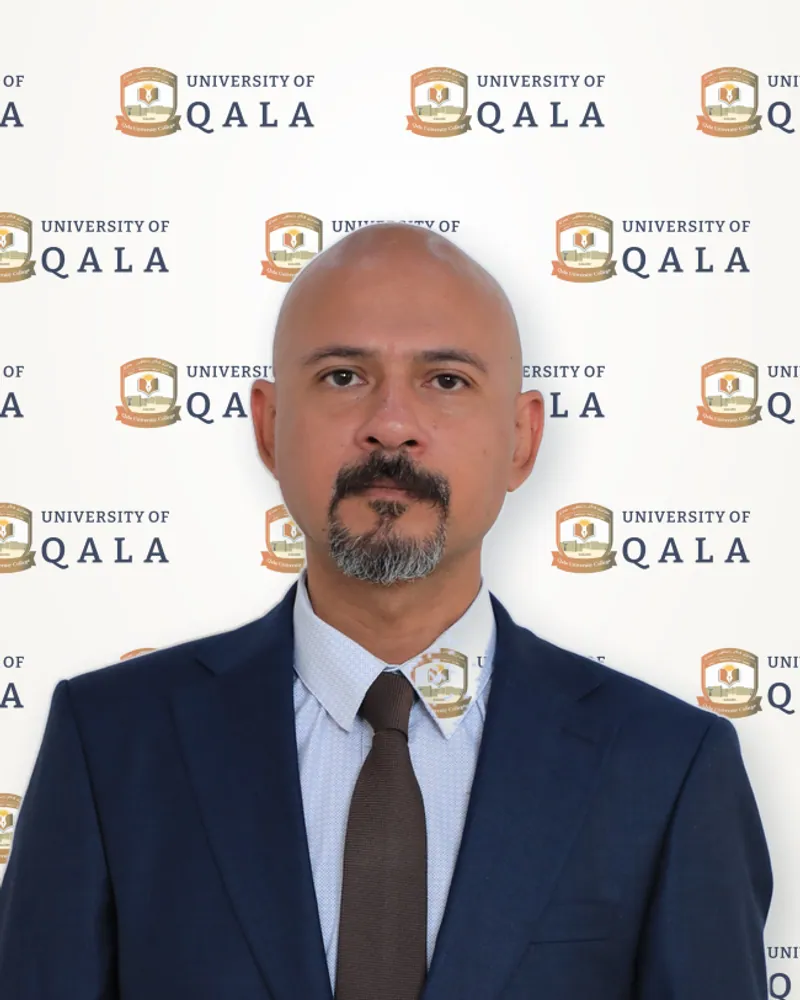
Vice President for Administrative and Financial Affairs
Vice President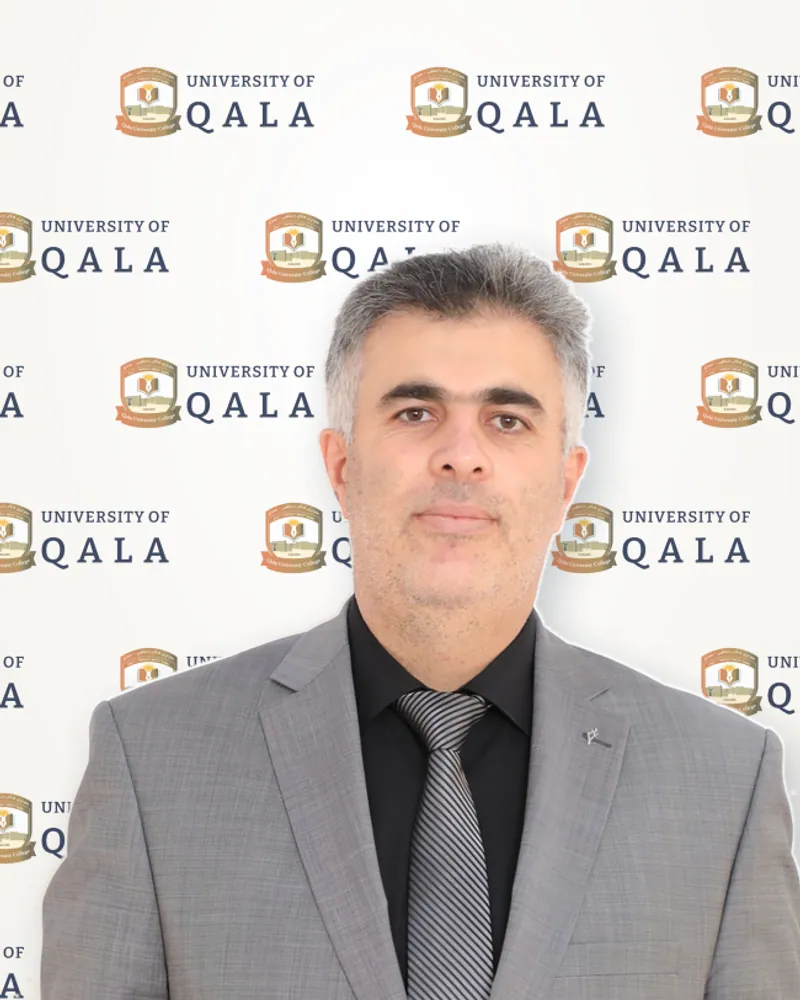
Head of the Department of Law
Head of Department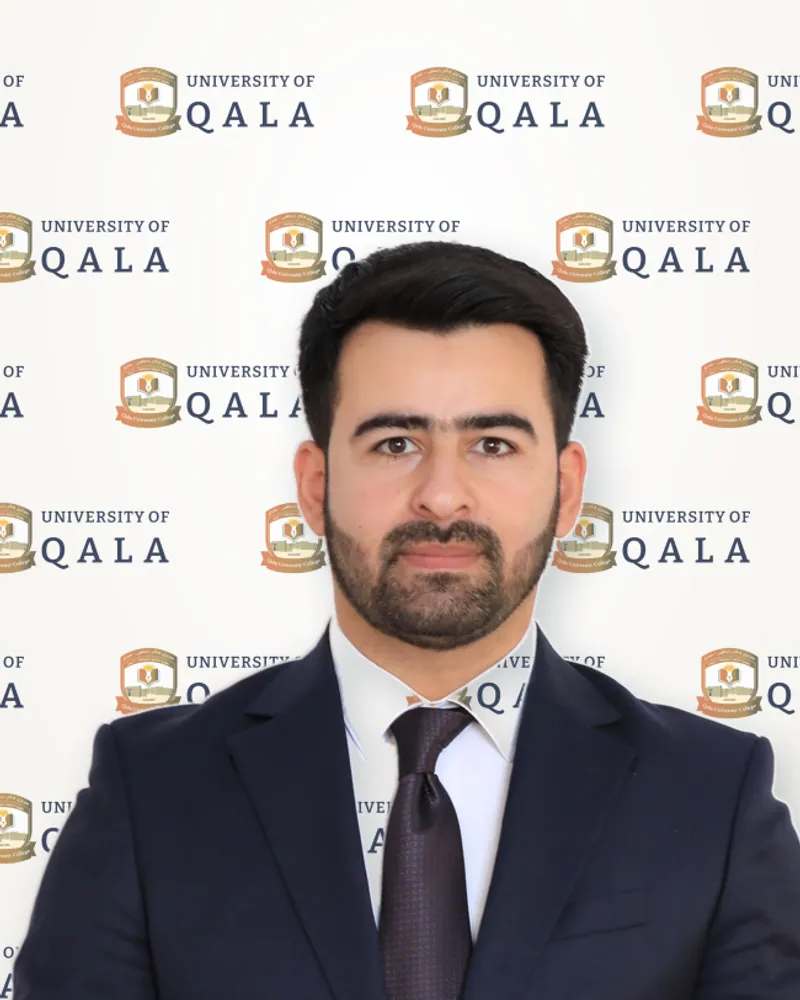
Head of the Department of Information Technology
Head of Department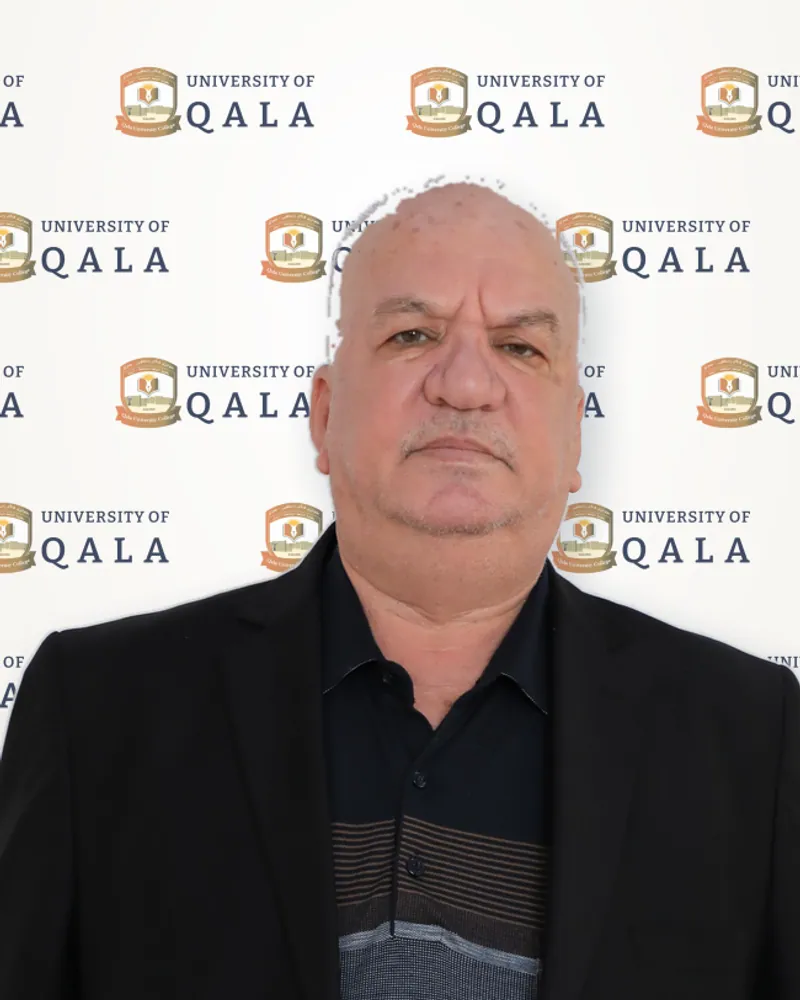
Head of the Department of Accounting
Head of Department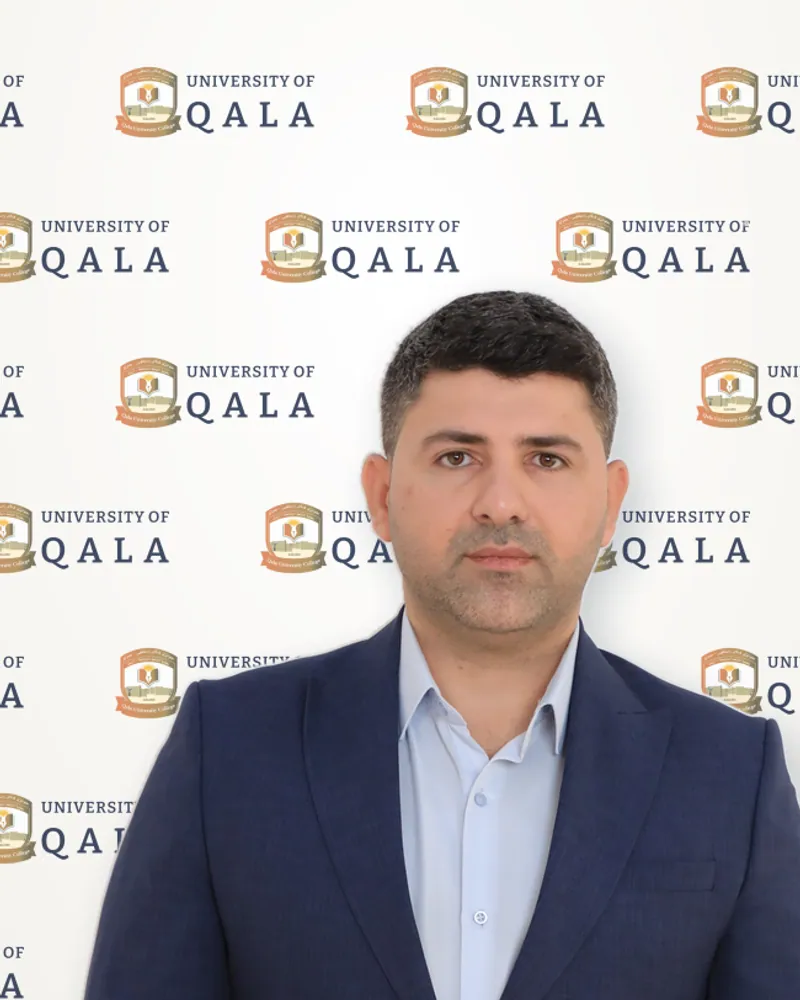
Head of the Department of English Language
Head of Department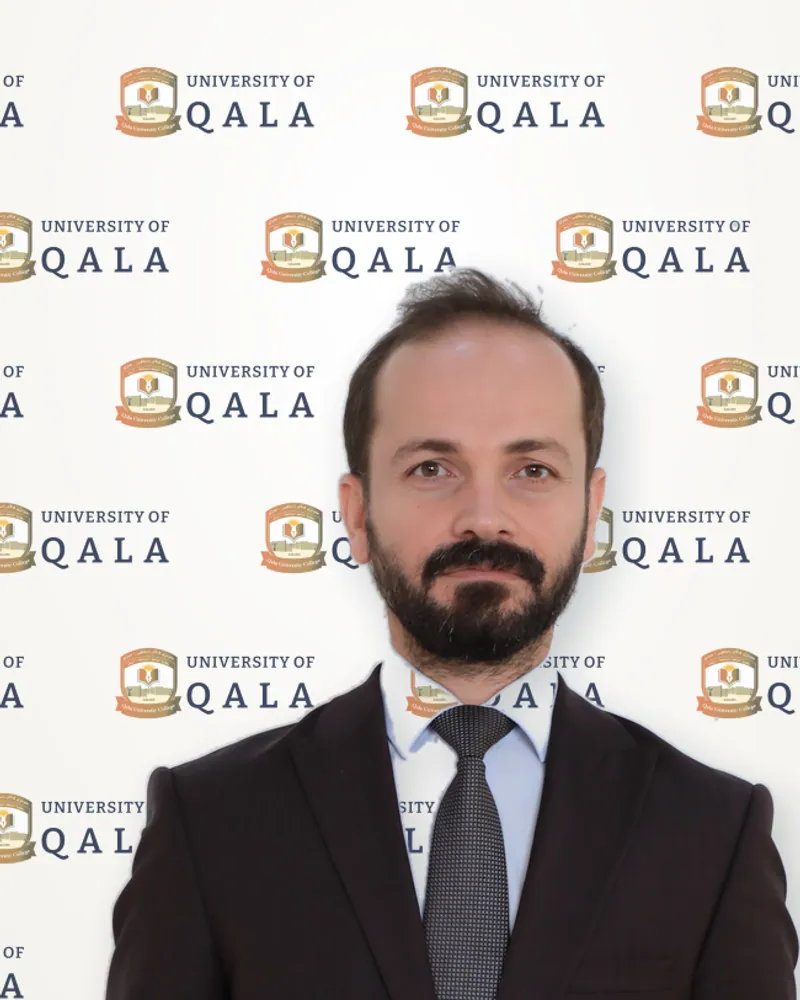
Head of the Department of Islamic Education
Head of Department